Quaerere Veritatem
All men by nature desire to know
— Aristotle, Metaphysics, I, 1.
Quaerere Veritatem — “to seek the truth” — is a digital garden: a set of independent essays born from a single restlessness, linked to one another by affinity rather than by discipline. Each piece studies a concept, an author, a tradition or a question; none requires having read any other.
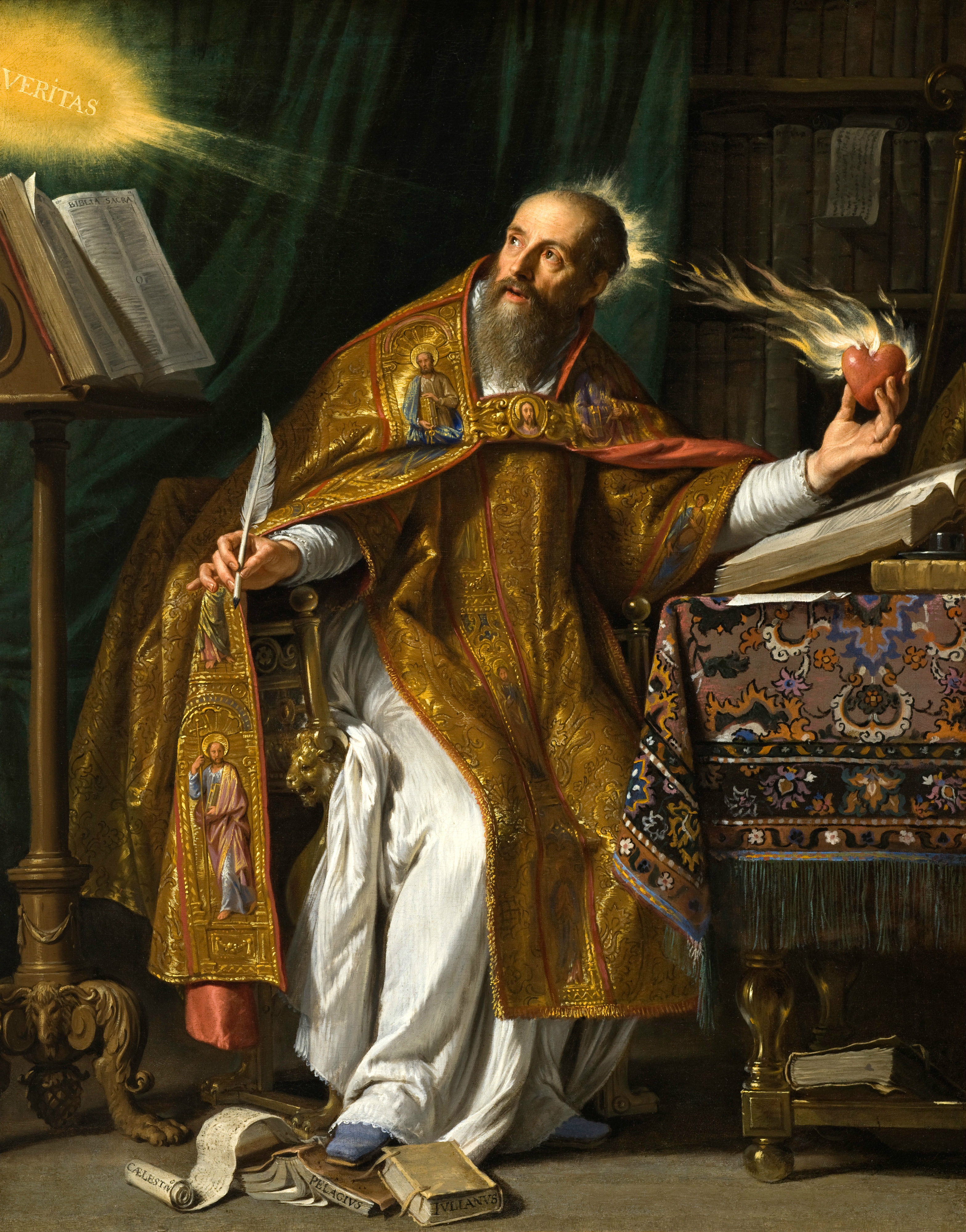 Saint Augustine — Philippe de Champaigne, c. 1645
The premise is simple: reality is one, and disciplines are not borders within it, but instruments of a finite intellect for comprehending an infinitely complex reality. They are nothing more than different perspectives for the observation of one and the same object, and true knowledge is not found in the sharpness and detail observed from a single perspective, but in the capacity to comprehend the object from all its angles.
I write in order to contemplate and to transmit the fruit of contemplation. What is contemplated is, no more and no less, than the gift of life and the reality in which that same life unfolds. The perspectives of contemplation are undefined and infinite: I do not set out with an objective, nor a destination, nor any limitations beyond the finitude of my understanding and the limited time offered to me by the unstoppable passing of my life. That is why the garden grows slowly, article by article, and offers trails instead of a complete map — one my finite intellect is unable to chart.
Just as it is greater to illuminate than merely to shine, so it is greater to hand on to others what has been contemplated than merely to contemplate
— Saint Thomas Aquinas, Summa theologiae, II-II, 188.
I do not claim to be a bearer of the truth, though I do try to seek it. I start from the humility of my ignorance and from the tireless desire to learn that I find in my faith and in my reason, in order to try to transmit slight directions toward what I believe is right.